Quick answer: Emergency board-up in Nashville, TN covers fire-broken windows, doors and wall openings with plywood, and roof tarping seals holes that firefighters cut to vent heat and smoke. Most homeowners policies expect you to take reasonable steps to prevent further damage, and board-up is often the first of those steps.
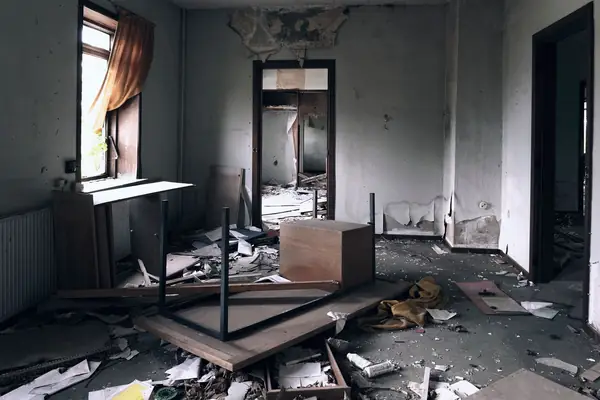
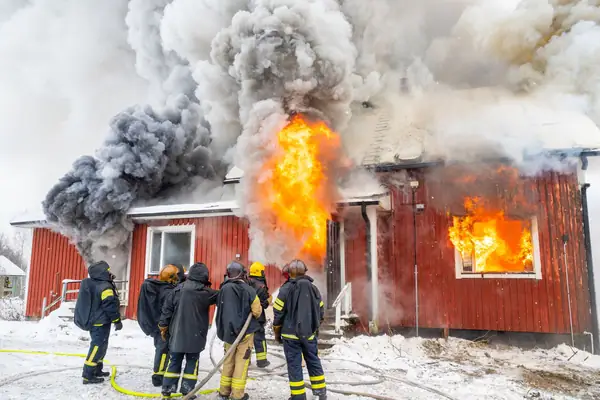
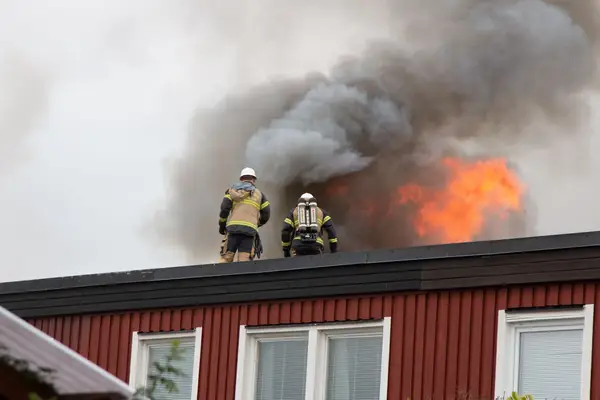
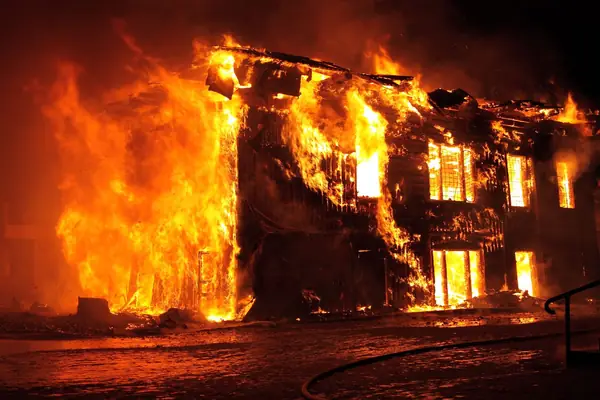
Firefighters often break windows and cut roof openings to release heat and smoke. That saves the structure, but it leaves the house open to rain, wind, animals and theft. Middle Tennessee gets frequent heavy rain and spring storms. So an open roof can turn a fire claim into a large water claim within days. A provider reached through fire damage restoration in Nashville can secure the property and then move into cleanup.
What board-up and tarping include
- Measuring and cutting exterior-grade plywood to fit broken windows, sliders and doors.
- Fastening boards so they hold in wind without causing more damage to frames than needed.
- Securing entry doors with a lockable board or temporary door so you and the adjuster can still get in.
- Covering roof vents, burned decking and skylights with heavy-duty tarps fastened to sound framing.
- Securing gaps in siding or walls where fire burned through.
- Photographing the property before and after so the claim file shows the work.
- Temporary fencing on request when the site is unsafe or near a sidewalk.
When board-up and tarping are needed
| Situation | Risk if left open | Typical fix |
|---|---|---|
| Windows broken by heat or firefighters | Rain, theft, animals, vandalism | Plywood board-up |
| Front or back door forced open | No way to lock the property | Board-up with a lockable access panel |
| Roof vented by the fire department | Rain soaks attic, ceilings and insulation | Roof tarp secured over the opening |
| Burned-through roof decking | Water and further collapse | Tarp plus temporary bracing if needed |
| Wall burned through near a garage or deck | Weather and pests enter the house | Plywood and wrap over the opening |
The board-up process
- Safety check. The crew confirms the fire department has released the property and checks for unstable areas.
- Documentation. Openings and damage are photographed for your insurance claim.
- Measure and cut. Plywood is sized to each opening to limit extra damage to trim and siding.
- Fasten securely. Boards are attached so they resist wind and prying.
- Tarp the roof. Tarps are rolled over openings and fastened with battens so wind cannot get underneath.
- Check drainage. The crew confirms water will run off the tarp and away from openings.
- Plan next steps. Water extraction through water damage restoration and fire damage cleanup can begin once the home is secured.
Why board-up matters for your insurance claim
The Tennessee Department of Commerce & Insurance advises homeowners to take reasonable steps to prevent further damage after a loss. Many policies say something similar, and some will not pay for damage that a reasonable board-up or tarp would have prevented. The U.S. Fire Administration also warns that some companies offering board-up and cleaning after a fire are not honest. So ask your insurer for names you can trust or check the provider's reviews and insurance before signing.
Keep receipts and photos for board-up work. Emergency services that protect the property are often reimbursed under the dwelling part of a homeowners policy. If you rent, your landlord's policy usually covers the building, while your renters policy covers your belongings.
Materials and equipment
| Item | Purpose |
|---|---|
| Exterior-grade plywood or OSB | Covering windows, doors and wall openings |
| Coated screws and carriage bolts | Holding boards in place against wind and prying |
| Heavy-duty reinforced tarps | Sealing roof openings until reroofing |
| Furring strips or battens | Keeping tarp edges from lifting in wind |
| Temporary fencing | Keeping people away from an unsafe site |
| Ladders, fall protection and lighting | Working safely on damaged roofs and in poor light |
What affects the cost of board-up and tarping
Cost depends on the number and size of openings, roof pitch and height, the size of the tarp area, whether work happens in bad weather or after dark, and whether temporary fencing is needed. Ask for a written invoice that lists each opening and the materials used.
DIY vs. professional board-up
Never climb onto a fire-damaged roof yourself. Burned decking and rafters can fail without warning. A homeowner can sometimes cover a single ground-floor window with plywood if the opening is safe to reach. Leave roofs, second-story windows and anything near unstable framing to a professional with fall protection.
Permits and safety notes
Board-up and tarping are temporary protective measures. Permanent roofing that replaces more than one-third of the roof requires a Metro Codes permit in Davidson County, and window openings that change size also need one. Cities such as Franklin, Brentwood and Hendersonville have their own permit offices, which the provider can confirm before permanent fire damage repair starts.
Local note: Spring storms move through Hendersonville and Goodlettsville and Madison quickly, so roof tarping after a fire is urgent there. Homes near busy corridors in Antioch may also need temporary fencing to keep people away from an unsafe structure.
Board-up and tarping questions
Does insurance pay for emergency board-up?
Board-up and tarping that prevent further damage after a covered fire are often reimbursed. Keep photos and receipts and tell your adjuster about the work as soon as possible.
How long can a roof tarp stay on?
A well-secured tarp is a short-term fix meant to last until permanent repairs, usually weeks to a few months. Wind and sun wear tarps down, so they should be checked after storms.
Can I still get into a boarded-up house?
Yes. Providers usually leave one door secured with a lockable panel or temporary door so you, the adjuster and contractors can enter.
Why did firefighters break my windows and cut my roof?
Firefighters vent a burning building to release heat, smoke and gases. Venting helps them fight the fire and keeps it from spreading, even though it creates openings that need board-up afterward.
Do I need a permit to board up a house?
Temporary board-up and tarping usually do not need a permit. Permanent repairs such as new roofing over one-third of the roof or changes to window openings do.
Sources
- USFA: After a fire
- Tennessee Department of Commerce & Insurance: Managing the claims experience
- Metro Nashville Codes: Renovate a single-family residence
Last reviewed November 10, 2026. General information, not legal, insurance or professional advice. See the editorial policy for how this page is researched and updated.