Short answer: Fire damage restoration takes anywhere from a few days for minor smoke cleanup to several months for a major fire that needs rebuilding. A small kitchen fire is often finished in one to three weeks. Meanwhile, a fire that damages several rooms or the structure can take three to six months or more. Insurance approvals, permits and material lead times usually decide the schedule more than the cleanup itself.
After a fire, almost everyone asks the same question: when can I go home? The honest answer depends on how much burned, how far smoke and water spread, and how fast the paperwork moves. Nashville Fire Removal Pros can connect you with a local provider for fire damage restoration in Nashville, who can give you a timeline once they have seen the damage.
The ranges below are general estimates, not promises. Every fire and every claim is different.
How long does fire damage restoration take?
Most projects fall into one of three groups:
| Damage level | Example | Typical timeline |
|---|---|---|
| Minor | Small stovetop fire, light smoke in one or two rooms | A few days to 2 weeks |
| Moderate | Kitchen fire with smoke through the house, some water damage | 2 to 8 weeks |
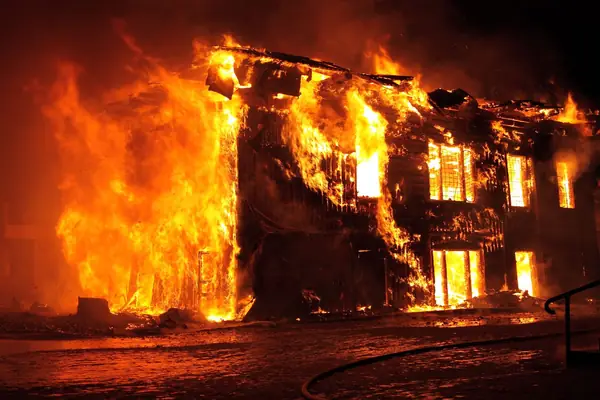
| Major | Fire through several rooms, roof or framing damage, heavy water | 3 to 6 months or longer |
A total loss that needs demolition and a full rebuild can take longer still, often most of a year once design, permits and construction are counted.
The stages of fire damage restoration
Stage 1: Emergency response (first 1 to 2 days)
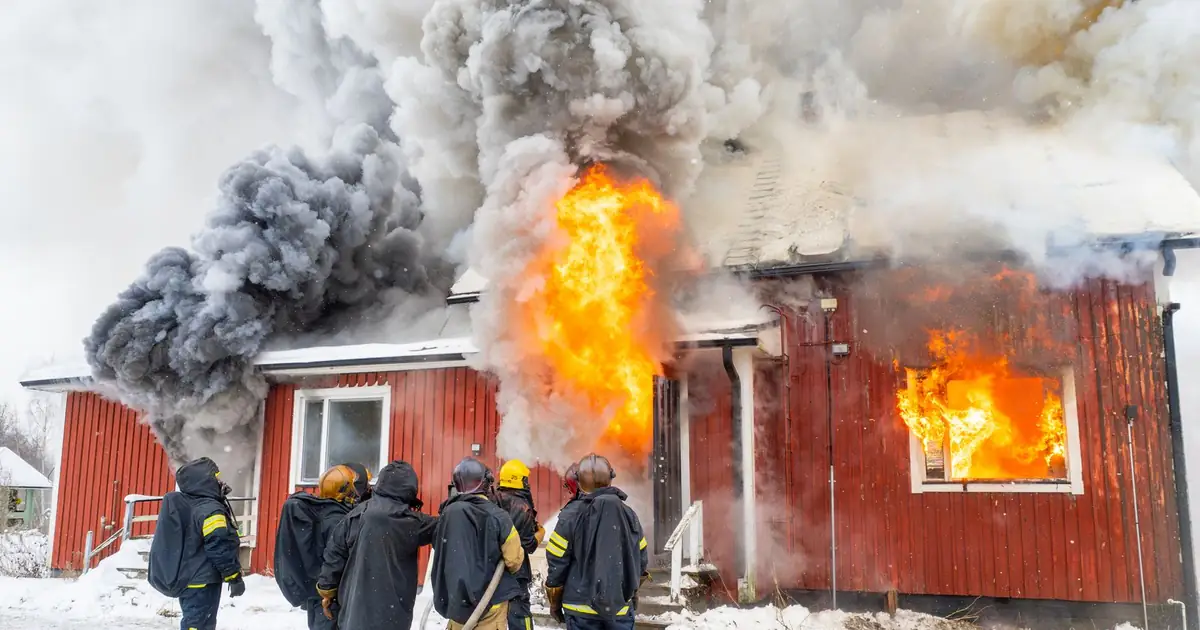
The first job is to protect the house from more damage. Providers secure the property with emergency board-up, tarp the roof and start removing water. This stage moves fastest when you call soon after the fire department releases the property.
Stage 2: Assessment and claim (days to weeks)
A provider inspects every room, the attic and ductwork, then writes a scope of work. Your adjuster inspects too. The claim may take a few days for a small loss or several weeks for a large one, especially if there are scope disagreements.
Stage 3: Water removal and drying (3 to 7 days)
Firefighting leaves a lot of water behind. Drying equipment usually runs for several days. The EPA advises drying wet materials within 24 to 48 hours to prevent mold, which is why water damage restoration starts early.
Stage 4: Cleanup, soot and odor removal (1 to 3 weeks)
Crews remove debris, clean soot from surfaces, clean ducts and deodorize. Contents may be packed out and cleaned off-site at the same time.
Stage 5: Demolition of damaged materials (days to 2 weeks)
Burned drywall, insulation, flooring and framing are removed. Opening walls sometimes reveals more damage, which needs a supplement to the claim.
Stage 6: Repairs and rebuilding (weeks to months)
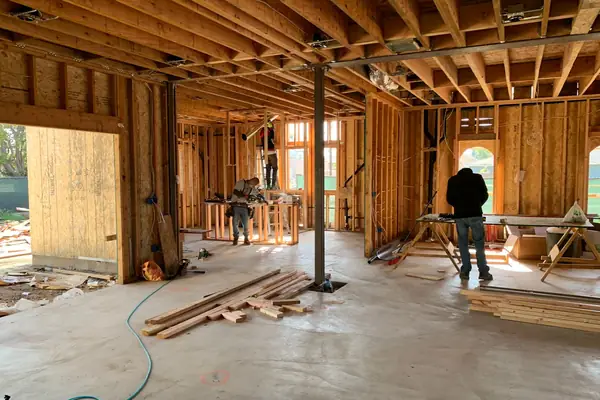
New framing, wiring, drywall, cabinets, flooring and paint go in. Inspections happen at set points. This is usually the longest stage.
What affects the restoration timeline?
How much of the structure burned, and whether the roof or framing was damaged. How far smoke traveled, including ductwork and attics. How much water was used to fight the fire. How quickly the insurance claim is approved and supplements are processed. Permit and inspection schedules. Lead times for cabinets, windows, flooring and other materials. Whether the home has historic features or needs code upgrades. Weather, especially for roofing and exterior work.
How to speed up fire damage restoration
- Call quickly: Fast board-up and drying stop damage from growing.
- Report the claim the same day: Get a claim number and ask for an adjuster visit.
- Document everything: Photos and video before cleanup help the claim move faster, as Tennessee's Department of Commerce and Insurance advises.
- Make decisions early: Choose finishes, cabinets and flooring before the rebuild stage so orders are placed on time.
- Respond fast: Answer questions from your adjuster and provider quickly.
- Keep a log: Track calls, emails and decisions so nothing falls through the cracks.
Tennessee permits and licensing that affect timing
Larger repairs need permits. In Nashville, Metro Codes requires permits for removing walls, replacing more than 100 square feet of drywall, changing doors, ceilings or stairs, moving electrical or plumbing, and replacing more than one-third of a roof. Painting, flooring and insulation generally do not need one. Owner-occupants can pull their own permits, but most people let the contractor handle it.
Licensing matters too. In Davidson and Rutherford counties, residential projects above $3,000 and under $25,000 require a home improvement license. Projects of $25,000 or more require a state contractor license. A contractor without the right license can stall a project at inspection time.
Fire restoration timelines in Nashville
Nashville's strong building market means busy trades and sometimes longer waits for materials and subcontractors. Planning ahead helps.
Seasons matter too. Winter brings more home heating fires, and cold, wet weather can slow roofing and exterior repairs. Summer humidity slows drying, so drying equipment may need to run longer. Older homes in historic districts may need extra time for design review before exterior changes.
How to avoid delays caused by new damage
- Keep the roof covered: Check tarps after every storm.
- Watch for mold: Report musty smells or spots during drying right away.
- Secure the home: Boarded openings prevent theft and vandalism, which can add new claims.
- Turn off utilities as advised: Follow the fire department and utility company instructions.
Local note: Timelines differ across the metro. Historic homes in Franklin and East Nashville may need design review, large custom homes in Brentwood can wait longer for specialty materials, and multifamily fires in Antioch often involve several insurers.
Related reading: See does homeowners insurance cover fire damage for loss-of-use coverage while you are displaced, how to sell a fire-damaged house if rebuilding does not fit your plans, and does landlord insurance cover fire damage to estimate lost rent. Start with what to do after a house fire, and see what drives fire damage restoration cost.
When should you call a fire damage restoration professional?
Call a restoration provider right away when:
- The fire department has released the property.
- The roof, windows or doors are open to weather.
- Water from firefighting is standing on floors or in the basement.
- You need a scope of work and timeline for your insurer.
Ready to start fire damage restoration in Nashville? Call (615) 458-0921 to reach a local fire damage restoration provider.
Fire damage restoration timeline questions
How long after a fire can I move back in?
After minor smoke damage, sometimes within days. After a moderate or major fire, it can be weeks or months, depending on repairs, inspections and air quality.
How long does smoke odor removal take?
Light odor can be treated in a few days. Heavy odor that soaked into materials may take one to three weeks, including cleaning, deodorizing and sealing.
How long does insurance take to approve fire restoration?
Small claims may be approved in days. Large claims can take weeks, especially if the scope changes after walls are opened.
Why is my fire restoration taking so long?
Common causes are claim supplements, permit and inspection schedules, material lead times and decisions on finishes. Ask your provider which step is holding things up.
Does insurance pay for a hotel during restoration?
Most homeowners and renters policies include loss of use coverage for extra living costs while the home is unlivable, up to the policy limit.
Sources
- TDCI: Rebuilding after a loss, managing the claims experience
- Metro Nashville Codes: Renovating a single-family residence
- Tennessee Board for Licensing Contractors: Home Improvement licensing requirements
- EPA: A Brief Guide to Mold, Moisture and Your Home
- USFA: After a fire
Last reviewed November 11, 2026. General information, not legal, insurance or professional advice. See the editorial policy for how this page is researched and updated.