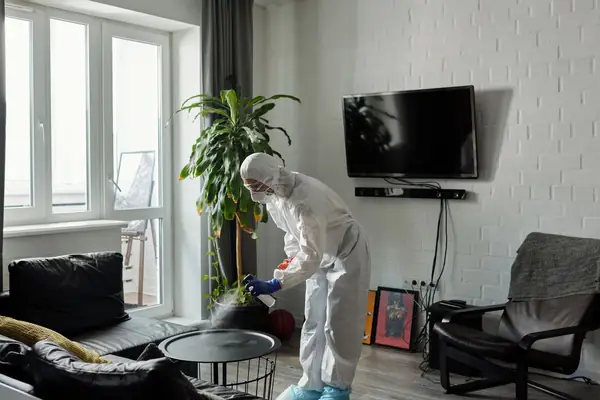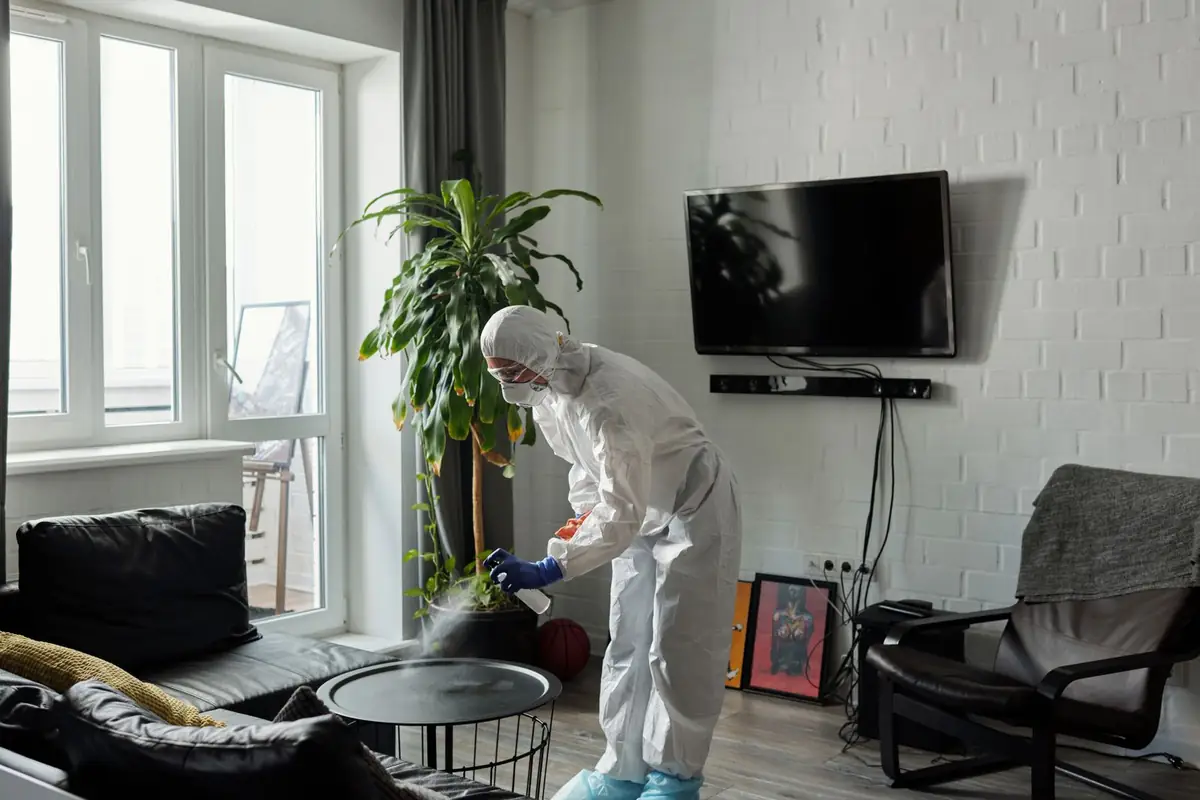
Quick answer: Smoke damage restoration in Nashville, TN removes the residue, staining and corrosion smoke leaves on walls, ceilings, HVAC systems and belongings. The method depends on the residue type: dry smoke, wet smoke, protein residue and fuel oil soot each need a different cleaner, so testing comes before cleaning.
Smoke is made of fine particles, gases and vapor. As it cools, it settles on cooler surfaces such as exterior walls, windows and ceilings, and it pushes into closets, cabinets and wall cavities. That is why a small fire in one room can leave a whole house dingy and smelling of smoke. A local provider reached through fire damage restoration in Nashville can sort out which rooms need light cleaning and which need more.
What smoke damage restoration includes
- Testing surfaces to identify the residue type and how deeply it has bonded.
- Dry soot removal with HEPA vacuums and chemical sponges before any liquid touches the surface.
- Wet cleaning walls, ceilings, trim, cabinets and fixtures with residue-specific detergents.
- Cleaning or replacing HVAC filters and assessing ducts, coils and the air handler.
- Cleaning windows, blinds and light fixtures, where film builds up fastest.
- Protecting metal, glass and stone that acidic residue can etch.
- Sealing cleaned surfaces when needed and coordinating with smoke odor removal.
Types of smoke residue
| Residue type | Typical source | How it looks and acts |
|---|---|---|
| Dry smoke | Fast, hot fires burning paper or wood | Powdery, dry film that wipes away more easily |
| Wet smoke | Slow, smoldering fires burning plastic or rubber | Sticky, smeary residue with a strong odor |
| Protein residue | Kitchen fires that burn meat, beans or other food | Nearly invisible yellow-brown film with a very strong smell |
| Fuel oil soot | Furnace or oil burner puffback | Heavy, oily black residue that smears easily |
The guide to what counts as smoke damage shows how each type appears on walls and belongings.
The smoke damage restoration process
- Assessment. The provider walks every room, tests residue on several surfaces and checks the HVAC system.
- Containment and air filtration. Air scrubbers run while cleaning, and work areas may be sealed with plastic.
- Dry cleaning first. Loose soot comes off with HEPA vacuums and dry sponges so it does not smear.
- Wet cleaning. Detergents matched to the residue clean walls, ceilings, cabinets and fixtures from top to bottom.
- HVAC cleaning. Filters are changed and ductwork is assessed, following ANSI/IICRC S590 guidance for HVAC systems after a fire.
- Odor treatment and sealing. Remaining odor is treated, and stained surfaces get a stain-blocking primer before paint.
- Final check. The provider re-inspects for residue and odor before the job is closed.
Why smoke damage spreads beyond the fire room
Heat pushes smoke up and out. It follows air currents through open doors, return vents, attic bypasses and plumbing chases. Cooler surfaces attract more residue, so exterior walls, window frames and ceiling corners often show heavier staining. Smoke can also leave shadow lines called ghosting along framing members and around nails, where temperature differences in the wall attract more soot.
Smoke residue is often acidic. Left alone, it can yellow plastics, discolor grout and pit chrome fixtures, glass and stone. Electronics can corrode if residue settles inside them. Quick cleaning protects these materials and often costs less than replacement.
Equipment and methods
| Tool or method | Used for |
|---|---|
| HEPA vacuums and air scrubbers | Removing and filtering fine particles |
| Dry chemical sponges | Lifting dry soot from flat paint and ceilings |
| Alkaline and degreasing cleaners | Breaking down wet smoke and protein residue |
| Soda blasting and dry-ice blasting | Cleaning framing, brick and masonry |
| Ultrasonic tanks | Cleaning small hard items such as blinds and hardware |
| Stain-blocking primers | Sealing cleaned surfaces before repainting |
What affects the cost of smoke damage restoration
Cost depends on how many rooms smoke reached, the residue type, ceiling heights, the amount of contents, whether ducts need cleaning, and how much sealing and painting follows. Protein residue and fuel oil soot usually take more labor than dry smoke. Ask the provider to separate structure cleaning, contents cleaning and HVAC work in the estimate so your adjuster can compare line items.
DIY vs. professional smoke cleaning
Light smoke film on a small area of washable paint can sometimes be handled with a dry sponge and mild detergent, following the steps in the guide to cleaning smoke damage on walls and ceilings. Call a professional when residue is sticky or oily, when more than one room is affected, when the HVAC system ran during the fire, or when the smell returns after cleaning.
Insurance notes for Tennessee
Smoke damage from a covered fire is usually part of the same claim as the fire itself, even if the smoke came from a neighbor's unit. Coverage terms vary, so read the smoke damage insurance guide and talk with your agent. The Tennessee Department of Commerce & Insurance can help if you think your claim was handled unfairly.
Local note: Smoke often moves between units in Antioch apartments and townhomes, so neighboring units may need cleaning too. Larger homes in Brentwood with finished basements and long duct runs can carry smoke odor to every floor, and older plaster walls in East Nashville and Inglewood hold residue in surface cracks.
Smoke damage restoration questions
Can smoke damage be fully cleaned?
In many cases, yes. Hard surfaces, framing and many belongings can be cleaned when the residue is identified and treated soon after the fire. Porous materials with heavy residue, such as insulation and some fabrics, are usually replaced.
Why does my house still smell like smoke after cleaning?
Odor hides in places that were not cleaned, such as ducts, insulation, the attic and inside wall cavities. Deodorizing without removing those sources will not last. A provider can trace and remove the source first.
Is smoke residue harmful?
Smoke residue contains fine particles and chemical byproducts from whatever burned. Avoid stirring it up, wear an N95 respirator if you must enter, and keep children and people with breathing problems out until cleaning is done.
Should I run my HVAC after a fire?
Not until it has been checked. Running the system can pull soot into the ducts and spread it to every room. Change the filter and ask a provider to assess the system first.
How long does smoke damage restoration take?
Light smoke damage in a few rooms may take a few days. Whole-house smoke cleaning with contents, ducts and repainting often takes one to three weeks.
Sources
- IICRC standards page: S700 fire and smoke restoration and S590 HVAC assessment
- NFPA: Home Structure Fires report
- Tennessee Department of Commerce & Insurance: Managing the claims experience
- Wikipedia: Disaster restoration
Last reviewed November 10, 2026. General information, not legal, insurance or professional advice. See the editorial policy for how this page is researched and updated.