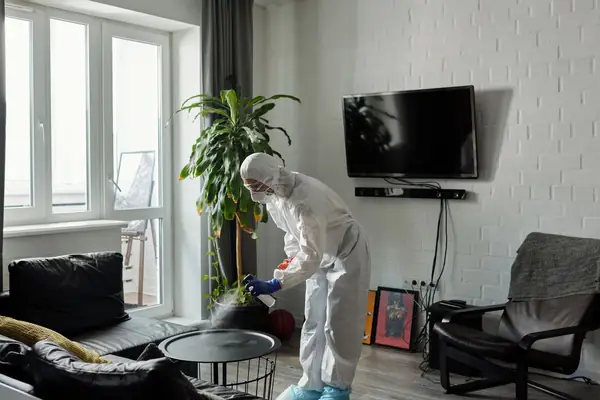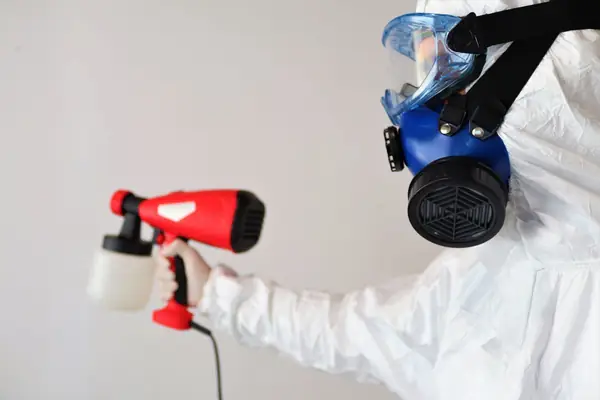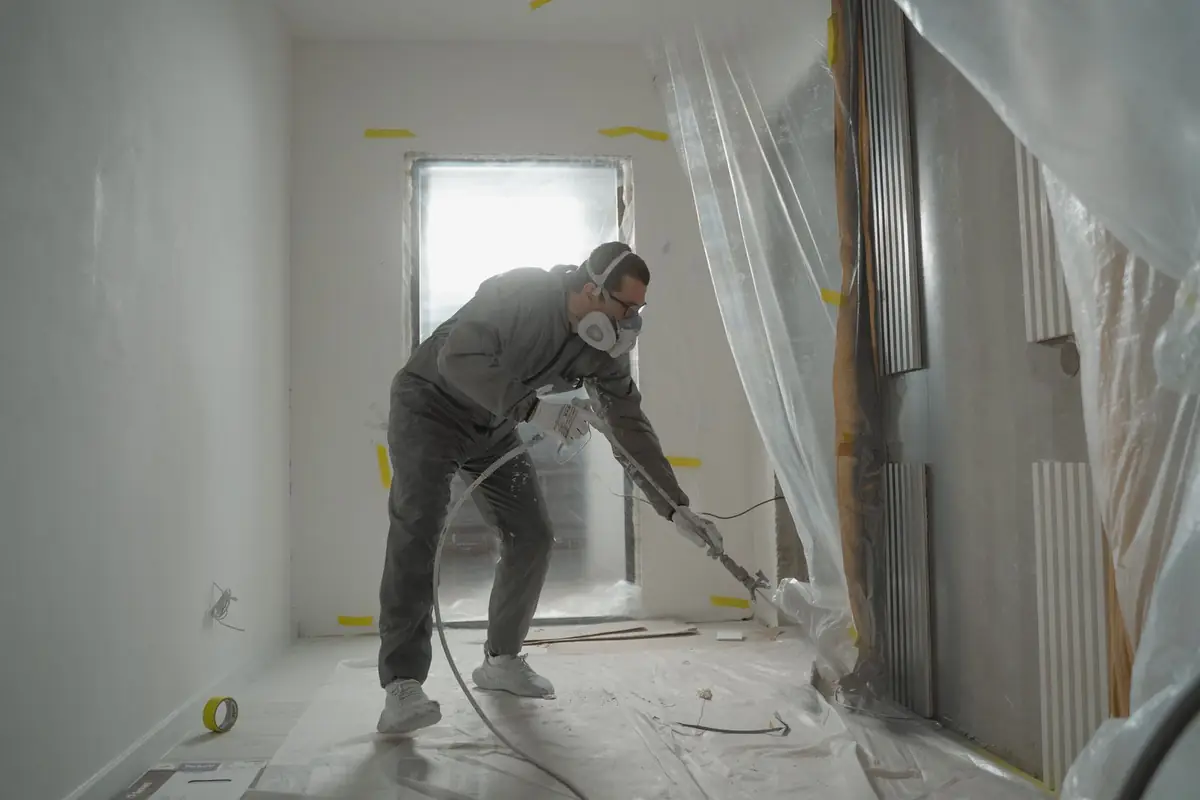
Quick answer: Soot removal in Nashville, TN lifts the fine carbon particles a fire leaves on walls, ceilings, framing and belongings. Providers test the soot first, remove loose particles dry with HEPA vacuums and chemical sponges, then wet clean or blast what remains. Acting quickly limits staining and corrosion.
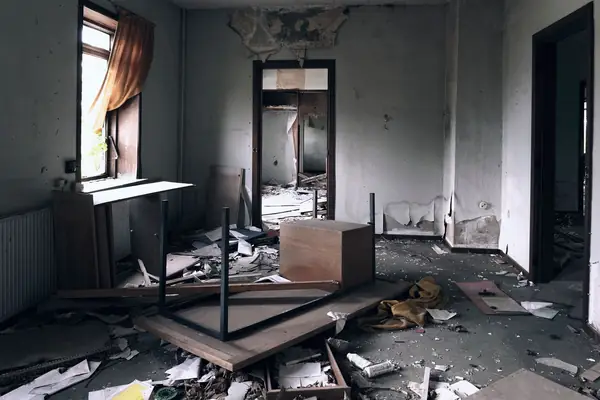
Soot is unburned carbon mixed with whatever burned in the fire, from wood and paper to plastic, foam and cooking grease. It settles on every surface the smoke touched and often collects in a dark band near the ceiling. The type of soot decides how it should be cleaned, which is why fire damage restoration in Nashville starts with testing, not scrubbing.
What soot removal includes
- Testing soot on several surfaces to see whether it is dry, wet, oily or protein-based.
- HEPA vacuuming loose soot from horizontal surfaces, floors and contents.
- Dry chemical sponging of flat paint, ceilings and wallpaper.
- Wet cleaning with degreasers or alkaline cleaners for sticky or oily residue.
- Soda blasting or dry-ice blasting for framing, brick, stone and masonry.
- Cleaning light fixtures, vents, outlets and switch covers.
- Protecting floors and contents from secondary soot transfer during the work.
Soot types and how they are cleaned
| Soot type | Source | Typical method |
|---|---|---|
| Dry soot | Hot, fast fires burning wood or paper | HEPA vacuum, then dry chemical sponge, then light wet cleaning |
| Wet or oily soot | Smoldering plastics, foam and rubber | Degreasing cleaners and agitation, never a dry sponge first on heavy smears |
| Protein residue | Burned food on the stove | Enzyme or alkaline cleaners, repeated cleaning and sealing |
| Fuel oil soot | Furnace or oil burner puffback | Solvent-based cleaners and extra containment |
| Char and heavy soot on framing | Direct flame contact | Soda blasting or dry-ice blasting, then sealing |
The soot removal process
- Test and plan. Residue is tested and mapped so each room gets the right method.
- Protect clean areas. Plastic sheeting and air scrubbers keep soot from spreading.
- Remove loose soot dry. HEPA vacuums and chemical sponges come first, working from the ceiling down.
- Wet clean. Residue-specific cleaners break down bonded soot on walls, trim and cabinets.
- Blast structural surfaces. Soda or dry-ice blasting cleans framing, joists, brick and stone.
- Seal and finish. Surfaces that still show stains get a stain-blocking primer before paint.
Why soot needs fast attention
Soot residue is often acidic. Over days and weeks it can permanently stain porous paint, yellow plastics and vinyl, discolor grout and etch glass, chrome and natural stone. Ash, the powdery residue from burned materials, tends to be alkaline and can also damage finishes when it gets wet. Fast removal protects these surfaces and often means cleaning instead of replacement.
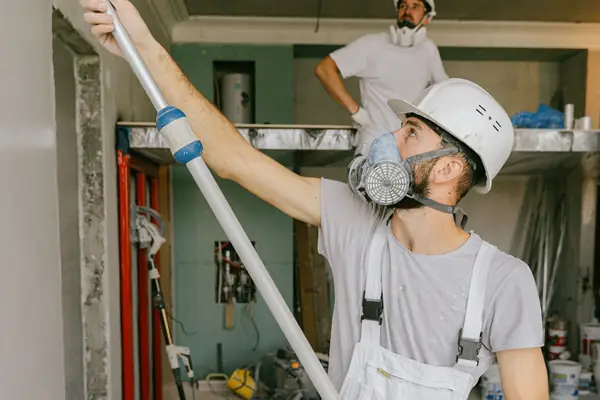
Soot is also a breathing hazard. The particles are small enough to reach deep into the lungs. So anyone entering a sooty home should wear an N95 respirator, gloves and eye protection.
Blasting methods for heavy soot and char
When soot and char cover framing in an attic or crawlspace, hand cleaning is slow and incomplete. Providers often use media blasting:
- Soda blasting sprays sodium bicarbonate at low pressure. It cleans and deodorizes wood, brick and masonry without gouging most surfaces.
- Dry-ice blasting uses frozen carbon dioxide pellets that turn to gas on impact, leaving no blasting media to clean up. It is useful where water must be avoided.
After blasting, framing is usually sealed with an odor-blocking primer before insulation and drywall are replaced.
What affects the cost of soot removal
The amount of soot, residue type, ceiling height, surface textures such as popcorn ceilings or brick, the need for blasting, and how much sealing follows all affect cost. Oily and protein residue take more labor than dry soot. Ask for an estimate that separates cleaning, blasting and sealing.
DIY vs. professional soot cleaning
A small patch of dry soot on washable paint can sometimes be cleaned at home with a dry chemical sponge, wiping in one direction, then a mild degreaser. The guide to cleaning smoke damage on walls and ceilings covers the steps. Do not wipe soot with a wet rag first, do not use a regular vacuum, and stop if the soot smears. Call a professional for oily soot, large areas, textured ceilings, brick, or anything near the fire's origin.
Insurance and safety notes for Tennessee
Soot cleaning after a covered fire is usually included in the claim. Photograph soot before cleaning begins so the adjuster can see the extent. Homes built before 1978 may have lead-based paint, and heavy sanding or scraping of soot-stained paint can raise lead dust. So ask the provider how they handle older paint. The guide to throwing things away after smoke damage explains which items are worth cleaning.
Local note: Fireplaces and chimneys in Brentwood and Franklin homes can leave soot on brick surrounds and mantels, while older homes in East Nashville and Inglewood often have plaster ceilings that need gentler cleaning.
Soot removal questions
Can I vacuum soot with a regular vacuum?
No. A regular vacuum can blow fine soot back into the air and ruin the motor. Use a vacuum with a HEPA filter, or leave it to a provider.
What is the best way to remove soot from walls?
Start dry with a HEPA vacuum and a dry chemical sponge, wiping in one direction. Then use a degreasing cleaner for remaining residue. Wet cleaning first usually smears soot deeper into the paint.
Is soot dangerous to breathe?
Soot particles are fine enough to irritate the lungs and can carry chemical byproducts from burned materials. Wear an N95 respirator and limit time in sooty rooms.
Can soot stains be painted over?
Only after cleaning and sealing with a stain-blocking primer. Paint over uncleaned soot will discolor and the smoke odor will come through.
How long does soot removal take?
Light soot in a few rooms may take a day or two. Whole-house soot removal with blasting and sealing can take a week or more.
Sources
- IICRC standards page: ANSI/IICRC S700
- Wikipedia: Soda blasting
- Wikipedia: Disaster restoration
- NFPA: Home Heating Fires report
Last reviewed November 10, 2026. General information, not legal, insurance or professional advice. See the editorial policy for how this page is researched and updated.